

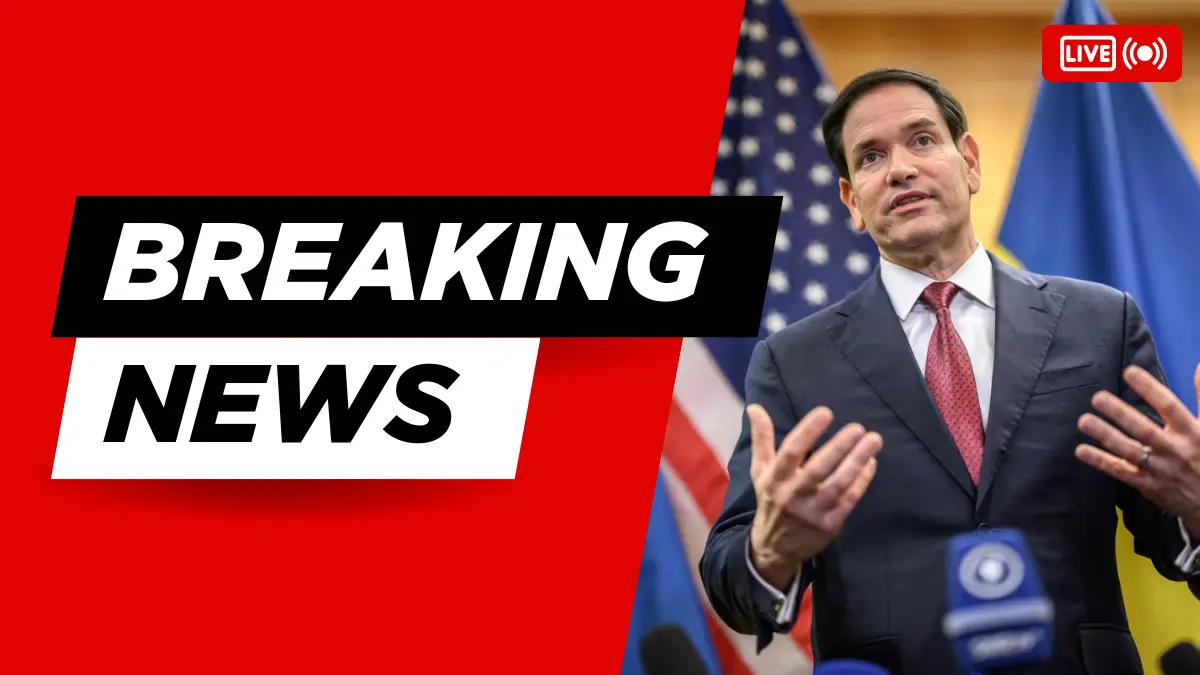
President Donald Trump reveals plans for special envoy Steve Witkoff to meet Russian President Vladimir Putin, signaling early efforts toward a U.S.-brokered Ukraine resolution.
Washington, D.C. – On November 25, 2025, President Donald Trump disclosed that his special envoy, Steve Witkoff, will travel to Moscow next week for talks with Russian President Vladimir Putin. The announcement, made during a White House briefing, comes as the U.S. navigates post-election foreign policy shifts. Jared Kushner, Trump’s son-in-law, may accompany Witkoff, according to sources close to the administration. This move highlights Trump’s focus on rapid diplomatic engagement on the Ukraine conflict, now in its fourth year.
What Happened?
The revelation surfaced during a routine holiday update from the Oval Office. Trump described the upcoming visit as a “strong start” to negotiations, emphasizing a 19-point peace plan developed over recent weeks. Early reports indicate the plan includes territorial concessions, sanctions relief, and security guarantees for Ukraine. Ukrainian President Volodymyr Zelenskyy, speaking from Geneva after weekend U.S. talks, called the discussions a “good result” but stressed the need for concrete commitments. No official agenda has been released, but witnesses familiar with the envoy’s preparations noted a focus on de-escalation timelines.
Russian officials have not commented publicly, though state media hinted at openness to dialogue. The trip follows Trump’s election victory, where he pledged to end the war “in 24 hours” – a timeline now framed as aspirational by aides.
Official Statements / Reactions
White House Press Secretary Karine Jean-Pierre stated, “This is diplomacy in action, putting maximum pressure on all parties for a fair resolution.” Trump himself tweeted, “Peace through strength – we’re making it happen fast!” Zelenskyy echoed cautious optimism, telling reporters, “We welcome U.S. involvement, as described by our teams.” On the Hill, Senate Foreign Relations Committee Chair Bob Menendez (D-NJ) urged vigilance, saying, “Authorities must ensure Ukrainian sovereignty isn’t compromised.”
Critics, including progressive Democrats, expressed concerns over potential concessions. Rep. Alexandria Ocasio-Cortez posted on X, “Early reports suggest this could sideline Ukraine’s voice – we need transparency.” Internationally, NATO Secretary-General Jens Stoltenberg welcomed the initiative but warned against unilateral moves.
Why This Matters
The Ukraine war has drained U.S. resources, with over $175 billion in aid since 2022, per Congressional Budget Office figures. A breakthrough could stabilize global energy markets, where Russian gas disruptions have driven U.S. inflation. Domestically, it aligns with Trump’s “America First” agenda, potentially freeing funds for border security and infrastructure. For everyday Americans, lower gas prices – up 15% this year – could ease holiday travel costs. Yet, failure risks escalating tensions, drawing in more U.S. involvement and straining alliances.
This development also tests Trump’s deal-making prowess on the world stage, influencing midterm dynamics and voter perceptions of foreign policy competence.
Background / Context
The conflict erupted in February 2022 with Russia’s full-scale invasion, citing NATO expansion and historical claims. U.S. support ramped up under Biden, including advanced weapons like HIMARS systems. Trump’s 2024 campaign criticized prolonged involvement, vowing quick negotiations. Recent Geneva talks between U.S. and Ukrainian officials laid groundwork for the 19-point framework, which reportedly balances Moscow’s demands for neutrality with Kyiv’s territorial integrity.
Historically, U.S.-Russia summits – like Helsinki in 2018 – have yielded mixed results. Current seismic shifts, including Europe’s energy woes and China’s tacit support for Russia, add urgency. Officials describe the landscape as “fluid,” with winter advances favoring Moscow.
Current Situation / What’s Next
As of November 25, preparations are underway for Witkoff’s departure, with logistics confirmed by State Department sources. Follow-up meetings in Kyiv are planned post-Moscow. Markets reacted positively, with oil futures dipping 2% on de-escalation hopes. Ukrainian forces report holding lines near Kharkiv, per frontline updates.
Looking ahead, a December NATO summit in Brussels could formalize any agreements. Trump aides hint at involving European allies, while Congress debates a $61 billion aid package extension. Witnesses at the White House noted internal briefings on “red lines” to avoid concessions undermining U.S. credibility.
Conclusion
Trump’s envoy trip marks a pivotal holiday-season gambit in one of the world’s most intractable conflicts. While risks of deadlock persist, as authorities confirmed in briefings, the potential for progress offers a rare bipartisan bright spot. For Ukraine and global stability, the coming weeks will test whether words translate to peace. Americans watching from afar can only hope this diplomacy delivers the swift end promised – sparing lives and resources alike. As one official put it, “The table is set; now it’s time to deal.”
 Avery Khan
 Alex Rivera Alex Rivera
 James James