

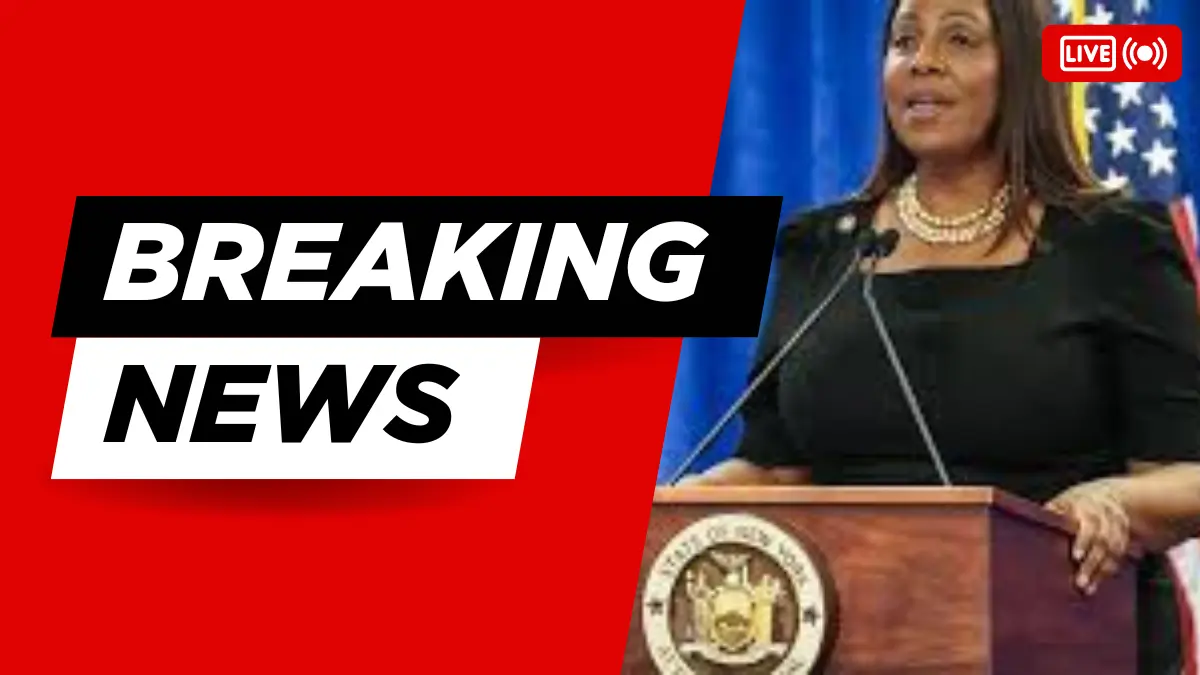
Federal ruling halts cases against ex-FBI Director James Comey and Attorney General Letitia James, citing improper prosecutor appointment amid Trump-era probes.
New York City – A federal judge in Manhattan dismissed indictments against former FBI Director James Comey and New York Attorney General Letitia James on November 25, 2025. The decision, handed down in a packed courtroom, stems from challenges over the special prosecutor’s appointment. Sources describe the ruling as a blow to ongoing investigations tied to Trump’s return to office.
What Happened?
The cases, filed in late 2024, accused Comey of misconduct in the 2016 Clinton probe and James of civil rights overreach in Trump-related suits. Judge Laura Taylor, in a 45-page opinion, ruled the prosecutor was “unlawfully appointed” under federal guidelines. Early reports from court observers noted the hearing’s tension, with defense attorneys arguing political motivation. Prosecutors sought a stay, but Taylor denied it, ordering case files sealed pending appeal.
Comey, 65, attended virtually; James was present, flanked by state officials. No immediate arrests or further charges were announced.
Official Statements / Reactions
DOJ spokesperson Matthew Berry said, “We respectfully disagree and will appeal swiftly, as confirmed by leadership.” Comey, in a statement, called it “vindication after years of scrutiny.” James tweeted, “Justice prevails – witnesses to the process know the truth.” Trump, posting on Truth Social, labeled it “witch hunt over,” praising the bench.
Legal experts split: Harvard’s Laurence Tribe hailed it as “procedural purity,” while conservative commentator Jonathan Turley warned of “impunity for elites.” Bipartisan calls for reform echoed on Capitol Hill.
Why This Matters
These probes symbolized partisan legal battles post-2020 election, eroding public trust in institutions – Gallup polls show DOJ approval at 32%. Dismissal could chill future special counsels, affecting accountability in high-profile cases. For Americans, it underscores judicial independence amid polarization, potentially influencing 2026 midterms where rule-of-law issues loom large. Economically, resolved cases free resources for priorities like antitrust enforcement.
Background / Context
Comey’s 2017 firing by Trump followed Russia probe clashes; James’ office pursued Trump fraud claims, netting $454 million in penalties. The indictments, under Biden’s DOJ, faced scrutiny for timing. Federal Appointments Clause requires Senate confirmation for such roles, a precedent from 2020 rulings. Broader context includes 1,200+ politicized cases since 2016, per Brennan Center data.
Current Situation / What’s Next
Appeals are filed to the Second Circuit; a hearing is slated for mid-December. Comey plans a memoir update; James eyes state-level defenses. DOJ internal reviews, as described by insiders, probe appointment flaws. Public discourse rages on X, with #ComeyDismissed trending.
Next, Congress may probe via hearings, while Trump’s AG nominee signals overhaul. Officials monitor for ripple effects on other cases, like January 6 probes.
Conclusion
The dismissal closes a fraught chapter in U.S. legal wars, affirming procedural safeguards over politics. As one clerk noted off-record, “The law bent but didn’t break.” For a divided nation, it offers a reminder: justice, when impartial, endures. Watch for appeals – they could redefine accountability in Washington.
 Avery Khan
 Alex Rivera Alex Rivera
 James James