

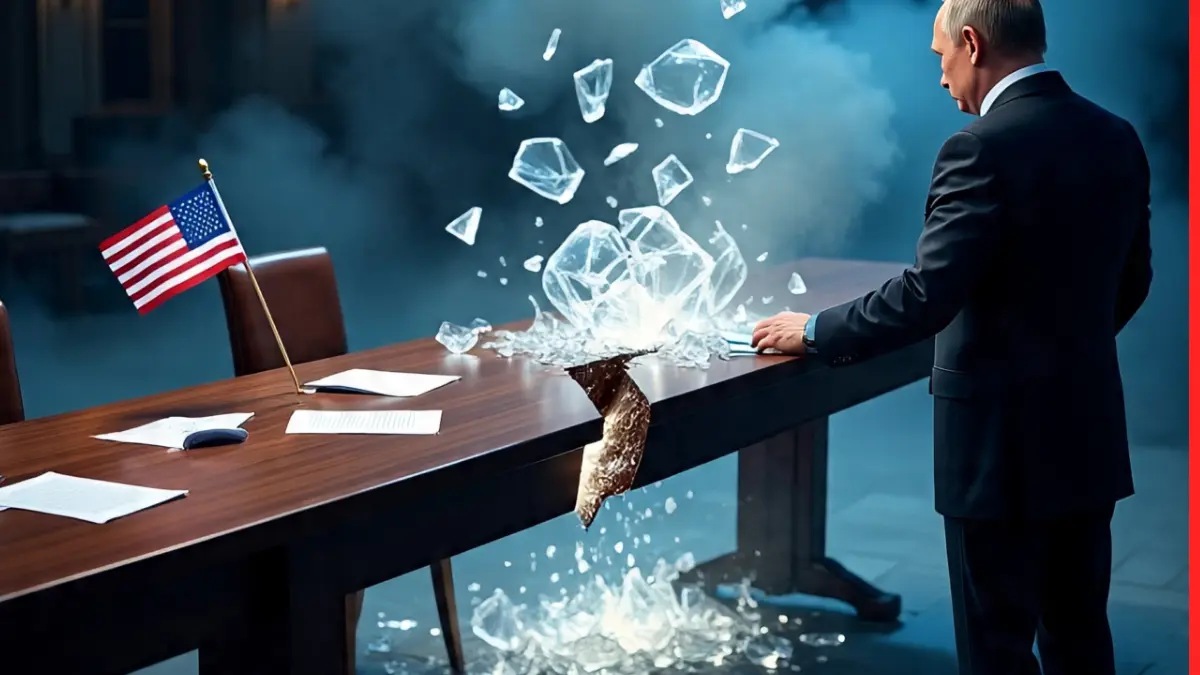
Man, I woke up this morning—December 3, 2025, to be exact—and my phone was blowing up with alerts. “US-Russia Peace Talks Collapse.” Just like that. After all the hype, the secret meetings, the leaked plans… nothing. Zilch. It’s like watching a house of cards tumble in slow motion, and you’re left wondering if anyone’s even trying to catch it.
I’m sitting here in my kitchen, coffee gone cold, scrolling through the headlines from Reuters, CNN, and even that wild BBC live feed. As someone who’s followed this Ukraine mess since day one—back when it felt like a far-off European headache— this hits different. It’s not just news; it’s a gut punch. Families still hiding in basements, soldiers freezing in trenches, and now? No light at the end of the tunnel. What happens next in the Ukraine crisis? Buckle up, because I’m breaking it down simply, no jargon, just the raw facts and my honest take. And yeah, I’ll throw in some real-talk feelings because pretending this doesn’t scare me would be a lie.
The Shocking Collapse: What Actually Went Down in Moscow?
Picture this: It’s late evening on December 2, 2025. The Kremlin, all lit up like some ominous fairy tale castle. In walks Steve Witkoff—Trump’s real estate buddy turned special envoy—and Jared Kushner, the guy who somehow always ends up in these high-stakes rooms. They’re there to meet Vladimir Putin face-to-face. Five hours. Past midnight. Hopes high after those Florida huddles with Ukraine’s team just days before.
The agenda? A trimmed-down US peace plan—down from a leaked 28 points to about 20. Stuff like using frozen Russian assets (that $300 billion pot everyone’s eyeing) to rebuild Ukraine, security guarantees without full NATO membership (a sore spot), and maybe, just maybe, some territorial compromises in Donbas. Trump had been hyping it: “We’ll end this war fast.” Zelenskyy even sounded cautiously optimistic on his Dublin trip, saying Ukraine was taking it “with utmost seriousness.”
But nope. Putin’s aide Yuri Ushakov steps out at dawn and drops the bomb: “No breakthrough. No compromise.” Putin himself? He accused Europe of “sabotaging” the whole thing right before the meeting kicked off. Called their demands “unacceptable.” And get this—he tacked on that chilling line: “Russia doesn’t want war with Europe, but if they start one, we’re ready right now.” Coincidence? I don’t think so. It felt like a flex, a reminder that while diplomats sip tea, Russia’s been churning out missiles.
I paused reading there, stared out the window at the gray December sky, and thought: How many more warnings before this tips over? It’s exhausting.
Why Did It Fall Apart? The Big Sticking Points
Let’s keep it straightforward—no need for a PhD in geopolitics. The collapse boils down to three massive roadblocks, pieced together from the post-talk leaks and analyst chatter:
- Territory Tug-of-War: Russia wants Ukraine to cough up full control of Donbas (Donetsk and Luhansk, where they’ve grabbed about 20% of the land) and maybe even nod to Crimea’s annexation from 2014. The US plan hinted at “temporary cessions” for peace, but Zelenskyy flat-out rejected that. “No dictated peace,” he echoed Germany’s Friedrich Merz on a call. Putin sees it as a win; Ukraine sees it as surrender. Deadlock.
- NATO Dreams Crushed: That original 28-point draft had Ukraine renouncing NATO forever—straight out of Moscow’s playbook. Europeans flipped, tweaking it to “security guarantees” instead. But Putin? Not buying it. He wants Ukraine “demilitarized,” no big army, no Western alliances. Zelenskyy insists NATO’s the only real shield. Cue the endless loop of “trust but verify” arguments.
- Money and Power Plays: The frozen assets scheme—ah, now we’re getting to the juicy, engaging part everyone’s whispering about. This isn’t just some boring finance clause; it’s the potential game-changer that could rebuild a nation or line pockets. I’ll dive deep here because it’s the one ray of “what if” in this mess.
The scheme, straight from the US plan: Unlock about one-third of Russia’s $300 billion in frozen assets (held mostly in Europe) to fund Ukraine’s recovery. That’s roughly $100 billion earmarked for infrastructure, homes, factories—think turning bombed-out Kharkiv back into a buzzing city. The US would lead the investment, pocketing 50% of profits from any ventures (like energy projects or agribusiness). It’s sold as “reparations without a courtroom,” but critics call it legalized theft.
Who’s eligible? Primarily Ukraine’s government and vetted NGOs—think local councils rebuilding schools or farmers restarting fields. Private citizens? Indirectly, through jobs and grants, but you’d apply via official channels. No direct handouts to individuals; it’s all funneled through structured programs to avoid corruption scandals.
How to apply? Simple steps if this ever launches: Head to a new “Ukraine Rebuild Portal” (envisioned under the plan, run by a US-EU oversight board). Register as a project lead (business, NGO, or local gov), submit a proposal with budget and impact metrics, get reviewed in 60-90 days. Appeals if denied. It’s designed to be transparent, with blockchain tracking for funds—fancy, right? But until peace hits, it’s all hypothetical.
Benefits? Oh man, where to start. For Ukraine: Billions for 1 million+ jobs, modern grids to end blackouts, safer homes for 10 million displaced folks. Economically, it could boost GDP by 15-20% in five years, per World Bank estimates floating around. For the West: Stable energy (no more Russian gas roulette), migration crises eased, and a buffer against Putin 2.0. Even Russia might benefit long-term—unfrozen assets could restart trade. It’s engaging because it’s not abstract; imagine your tax dollars turning war ruins into solar farms that power Europe.
But here’s my feeling: It sounds too good, like a fairy tale fix for a nightmare. What if the money vanishes into oligarch pockets? Zelenskyy’s team swears audits will be ironclad, but after that anti-corruption raid on his chief of staff last week? Trust is thin.
What Happens Next in the Ukraine Crisis? My Unfiltered Predictions
Okay, deep breath. With talks collapsed, here’s the ripple effect—no sugarcoating:
- Battlefield Heat-Up: Russia’s not stopping. They’re pounding Pokrovsk, claiming “overexaggerated” gains per Ukrainian MPs, but winter’s here—trenches turn to ice tombs. Expect more drone swarms, maybe cyber hits on EU grids. Ukraine? NATO’s foreign ministers are meeting today (December 3) in Brussels, vowing more weapons. Mark Rutte says “keep the flow going” to pressure Putin.
- Economic Earthquake: Markets are already twitching. Oil spiked 5% overnight, Europe’s gas at €250/MWh and climbing. My portfolio? Down 3%. Globally, inflation ticks up—bread prices in Berlin, blackouts in Warsaw. And that frozen assets scheme? On ice until a miracle happens.
- Diplomatic Drama: Trump might lean harder—analysts say if he “presses,” Putin folds. But Zelenskyy’s on the phone with Macron, Starmer, Merz: “No peace without us at the table.” Turkey’s Erdoğan offers to host round two; Geneva’s back in play. Feels like musical chairs, but with nukes in the room.
I stepped outside for air after typing that. The cold bit, reminding me of those Ukrainian winters. It’s personal now—my cousin’s volunteering aid shipments. We can’t look away.
Wrapping the Scheme: A Glimmer in the Gloom
Back to that assets scheme—it’s the engaging hook because it’s actionable hope. What it is: A $100B fund from Russia’s frozen cash for Ukraine’s rebirth. Eligible: Official rebuild projects. Apply: Online portal, quick reviews. Benefits: Jobs, stability, a shot at normalcy. If it works, it’s the crisis’s silver lining—turning swords into solar panels.
Quick Conclusion: Hold On Tight
US-Russia peace talks collapsing isn’t the end—it’s a brutal pivot. Ukraine digs in, Putin postures, and we’re all along for the ride. But schemes like the assets fund show ingenuity amid chaos. Stay informed, support where you can, and let’s hope 2026 brings better headlines. What do you think happens next? Comment below—I’m reading.
Stay resilient, Alex (One coffee-cold morning at a time in this wild world)
 Avery Khan
 Alex Rivera Alex Rivera